
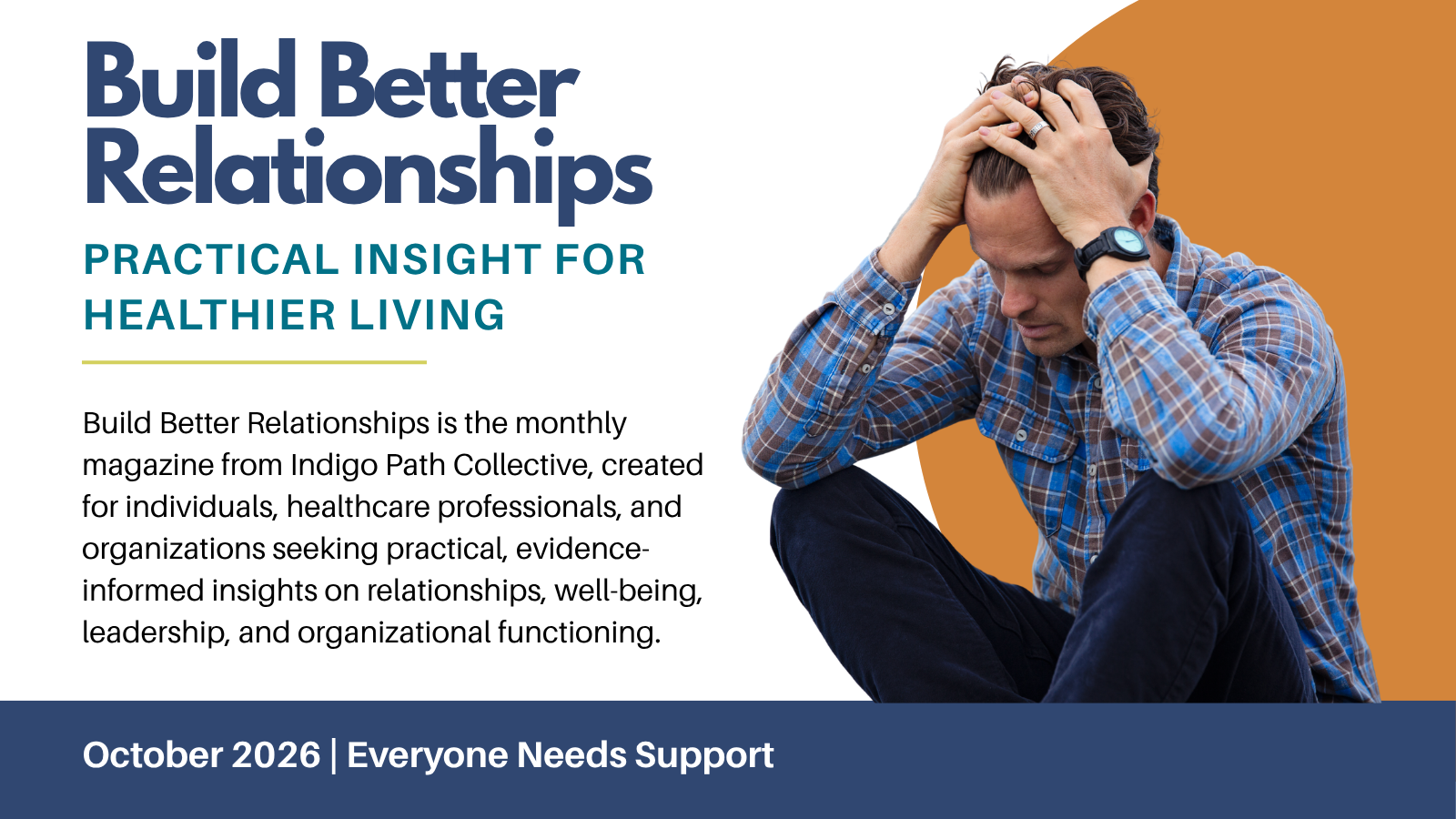
Sometimes the Solution is Support
We all need support sometimes. It can feel so good and change everything when someone just listens to what we have to say. Of course, support comes from the people with whom we have safe, trusted relationships, but support can also come from enhancing or fixing the systems in which we live and work, and from the clear and accurate information we give or receive.
This month, Build Better Relationships looks at support across different parts of life: your relationship with yourself, the people you work with, your health, and the communities you're part of.
Everyone needs support sometimes. Knowing where to find it, how to actually receive it, and how to offer it makes all of us a little stronger.
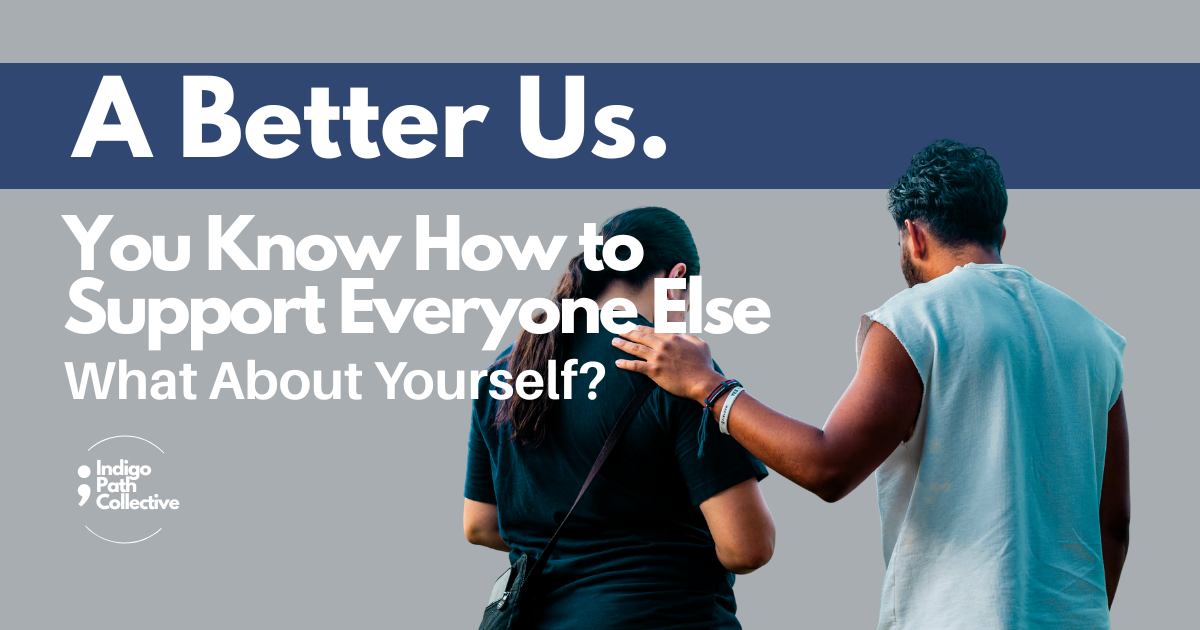
You Can Offer Yourself Support
You probably know how to support someone you care about when they are struggling. Offering yourself that same support can be harder. This article explores internalized peer support, self-soothing, and how your response to yourself in difficult moments.
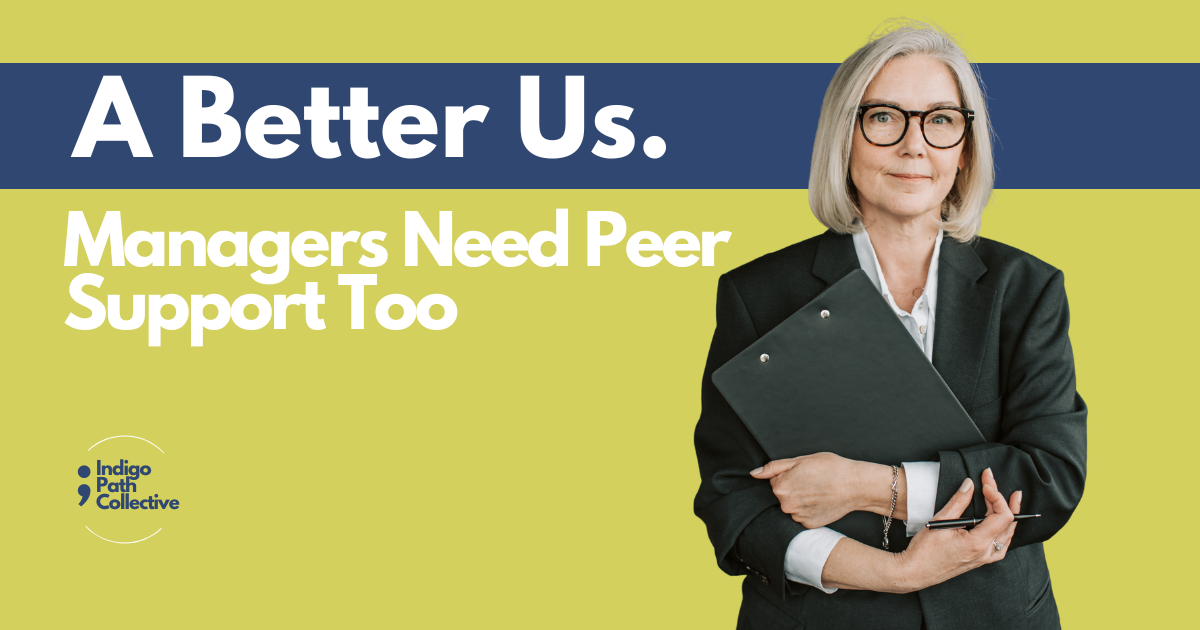
Management Can Be Lonely
Managers spend much of their time supporting employees, coordinating teams, and responding to organizational demands, but who supports the manager? This article explores how peer relationships can reduce managerial isolation, improve information sharing, and give managers a trusted place to work through the role's pressures and competing demands.
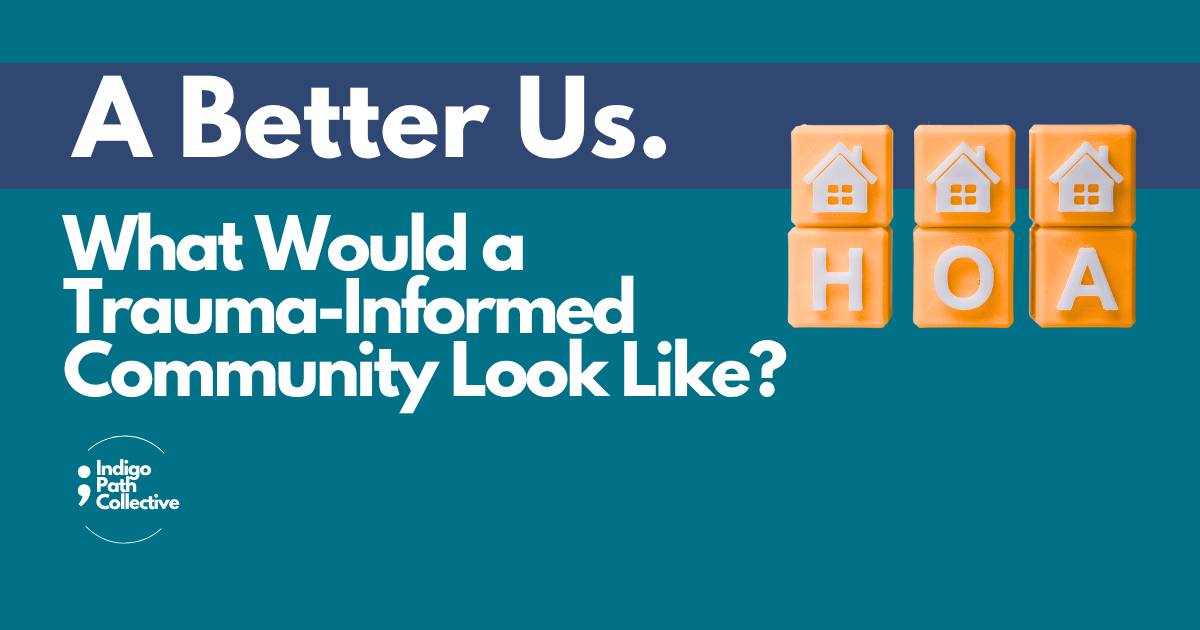
Communities Need Support Too
Communities face shared pressures, difficult decisions, and competing needs. Using a homeowners association as a familiar example, this article explores how trauma-informed principles can strengthen community support through relationships, meaningful participation, collaboration, and the information people need to navigate challenges together.
Find Your Indigo Path
Whether you are seeking support for yourself or looking for trusted resources to share with a patient, client, colleague, friend, or family member, Indigo Path Collective offers practical, evidence-informed counseling, education, and organizational solutions to help build better relationships.
Community Spotlight

Recalibrating Health
By Dr. Michelle Ned, DBH
How do the habits we practice every day influence our cognitive health? Dr. Michelle Ned explores practical ways to support brain health through nutrition, movement, mental activity, and rest, emphasizing small, sustainable changes over time.
Contributor Note: This article reflects the views and perspectives of Dr. Michelle Ned and does not necessarily represent the views of Indigo Path Collective. To learn more about Dr. Ned and her work, connect with her on LinkedIn.
Continue Building Better Relationships
Thank you for reading this issue of Build Better Relationships. We hope these ideas, resources, and recommendations help you strengthen relationships, improve well-being, and continue growing throughout the month.
Subscribe to Build Better Relationships
; You Belong
Contact Us
phone: 866-866-3512
fax: 877-771-4946
Privacy Policy | Counseling Practice Policies | Terms of Use | Resources
© 2026 Indigo Path Collective, LLC. All Rights Reserved.